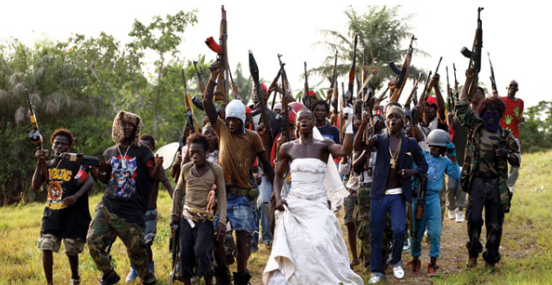

This publication offers a thoughtful examination of the lasting psychological and social consequences of Liberia’s civil conflict. Although the war has ended, its effects continue to influence the lives of individuals, families, and communities, often in ways that remain unseen or insufficiently addressed. Unresolved trauma can shape how people understand themselves, relate to others, respond to conflict, and cope with difficult experiences long after the violence has stopped.
The publication explores the connection between exposure to violence and a range of ongoing challenges, including emotional distress, addiction, family instability, social isolation, and conflict within communities. It recognizes that trauma is not experienced by individuals alone; it can affect entire families and be passed from one generation to the next through disrupted relationships, silence, fear, and unresolved grief.
At the same time, this work highlights the resilience of survivors and affected communities. It emphasizes that healing is possible when people have access to compassionate support, rehabilitation, mental health services, safe spaces, and opportunities to rebuild trust. Sustainable recovery requires long-term commitment, community participation, and continued investment in programmes that restore dignity, strengthen families, and support survivors as they move forward.
Ultimately, the publication calls for a deeper understanding of Liberia’s unfinished healing and for sustained support that addresses both the visible and invisible consequences of conflict. It is a reminder that peace is more than the absence of war; it also involves healing wounds, restoring relationships, rebuilding communities, and creating conditions in which future generations can live with greater security, hope, and opportunity.